Dressing to impress is often treated as a shopping problem. Buy the expensive jacket, the designer shoes, the statement watch, and the compliments will supposedly follow. In real life, the better outfit is usually less theatrical: it fits, suits the setting, looks cared for, and allows the person wearing it to move comfortably.
That matters because clothing does influence the first story people tell themselves about us. A 2013 study published in the Journal of Fashion Marketing and Management showed 274 participants brief images of a faceless man in slightly different suits. The better-tailored version received more positive ratings for confidence, success, salary, and flexibility, although the researchers found no improvement in perceived trustworthiness. In other words, clothes can shape an opening impression, but they cannot do the entire job for you.
My view is simple: the most impressive outfit is not the loudest one; it is the one that makes the wearer look deliberate. These five principles work for a job interview, a dinner, a gallery opening, a first date, or any occasion where you want to appear polished without looking disguised.
1. Make fit your first luxury
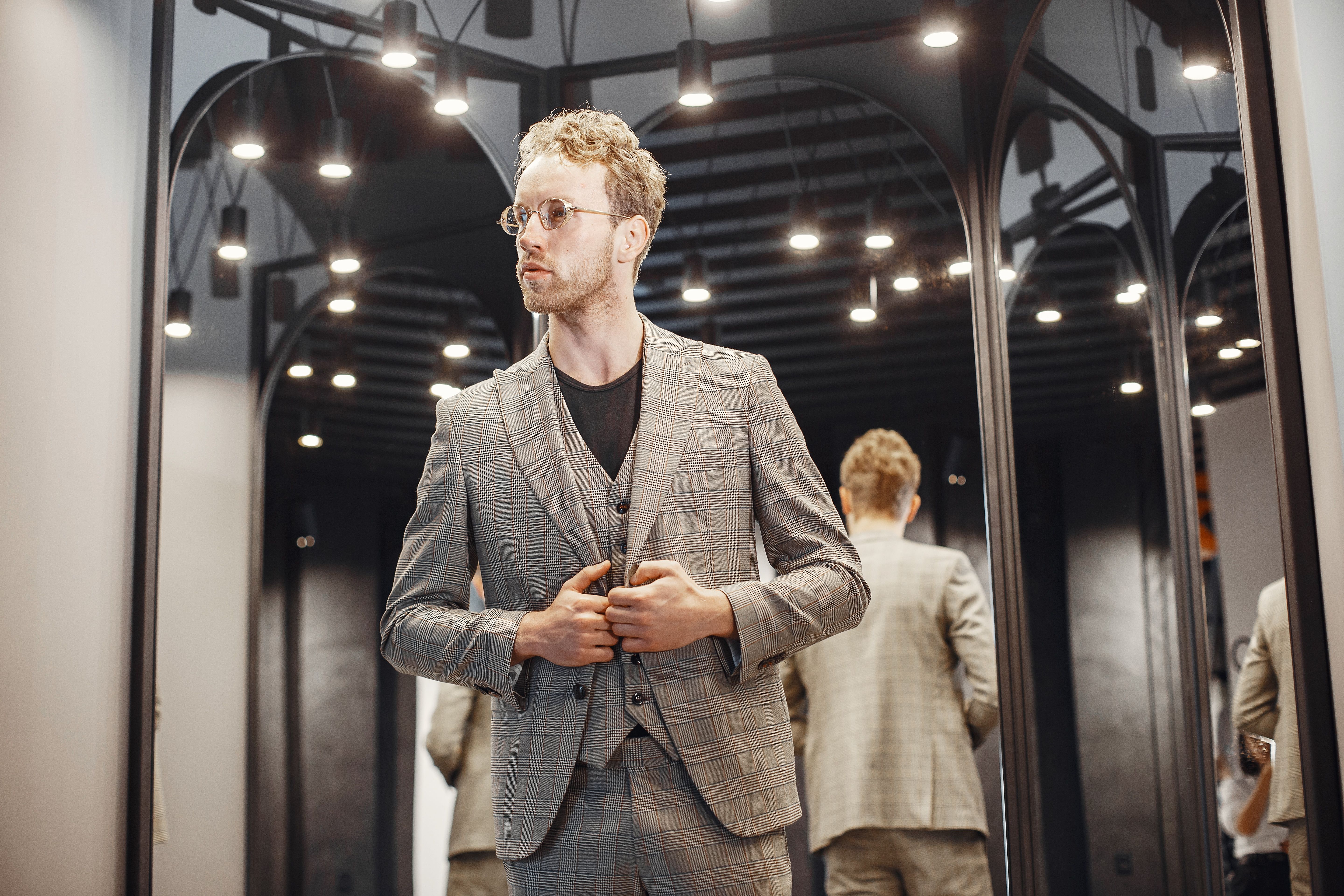
Fit is the detail people register before they identify the brand. A shirt collar that collapses, trousers that pool around the ankle, or a jacket pulling into wrinkles at the button can make an otherwise beautiful garment look careless. Conversely, an affordable outfit can look remarkably sharp when its proportions are right.
Start with the parts that are difficult to alter. On a jacket, the shoulder seam should finish close to the end of your shoulder; the chest should close without strain; and the jacket should cover the seat rather than stopping abruptly above it. As the GQ guide to suit alterations explains, shoulder width, chest size, jacket length, and trouser rise are more consequential starting points than details such as sleeve length or waist width, which a tailor can usually adjust more easily.
There is also a difference between “fitted” and “tight.” If you cannot sit, raise your arms, or breathe normally, the garment is not flattering your shape; it is announcing a sizing mistake. A good fit follows your body without tracing every contour.
Before an important event, do a five-minute movement test. Sit down, walk briskly, reach for your phone, and look at yourself from the side. If you are constantly tugging, smoothing, or pulling at one item, replace it or have it altered. Confidence is difficult to project when your jacket is fighting you.
2. Dress for the room, not your fantasy version of it
The second way to impress is to understand the occasion. Being overdressed can look as socially unaware as being underdressed. The aim is not to become invisible; it is to show that you noticed the invitation, venue, time of day, and people you are likely to meet.
Dress codes are imperfect, but they provide useful boundaries. Emily Post’s attire guide places dressy casual around a blazer or sport coat, slacks, and a button-down or open-collar shirt, while semi-formal generally moves toward a dark suit or a cocktail dress. Black tie is not simply “wear something black”: it has its own conventions, including a tuxedo or formal evening dress.
When the instruction is vague, choose the middle rather than the extreme. For a dinner, that might mean a dark knit polo, pressed trousers, and loafers instead of a full business suit or distressed denim. For a daytime professional meeting, it could mean a structured jacket, clean shirt, and polished shoes rather than eveningwear.
There is a useful rule here: dress one small notch above the casual baseline of the setting, unless the invitation gives a clear code. A jacket can be removed. A missing jacket is harder to invent. If you are attending a social evening in Munich, for instance, a composed outfit and good manners will travel further than an overly flashy costume; even a date arranged through München escort services still benefits from clothing that respects the venue and the person you are meeting.
3. Build a reliable smart-casual uniform
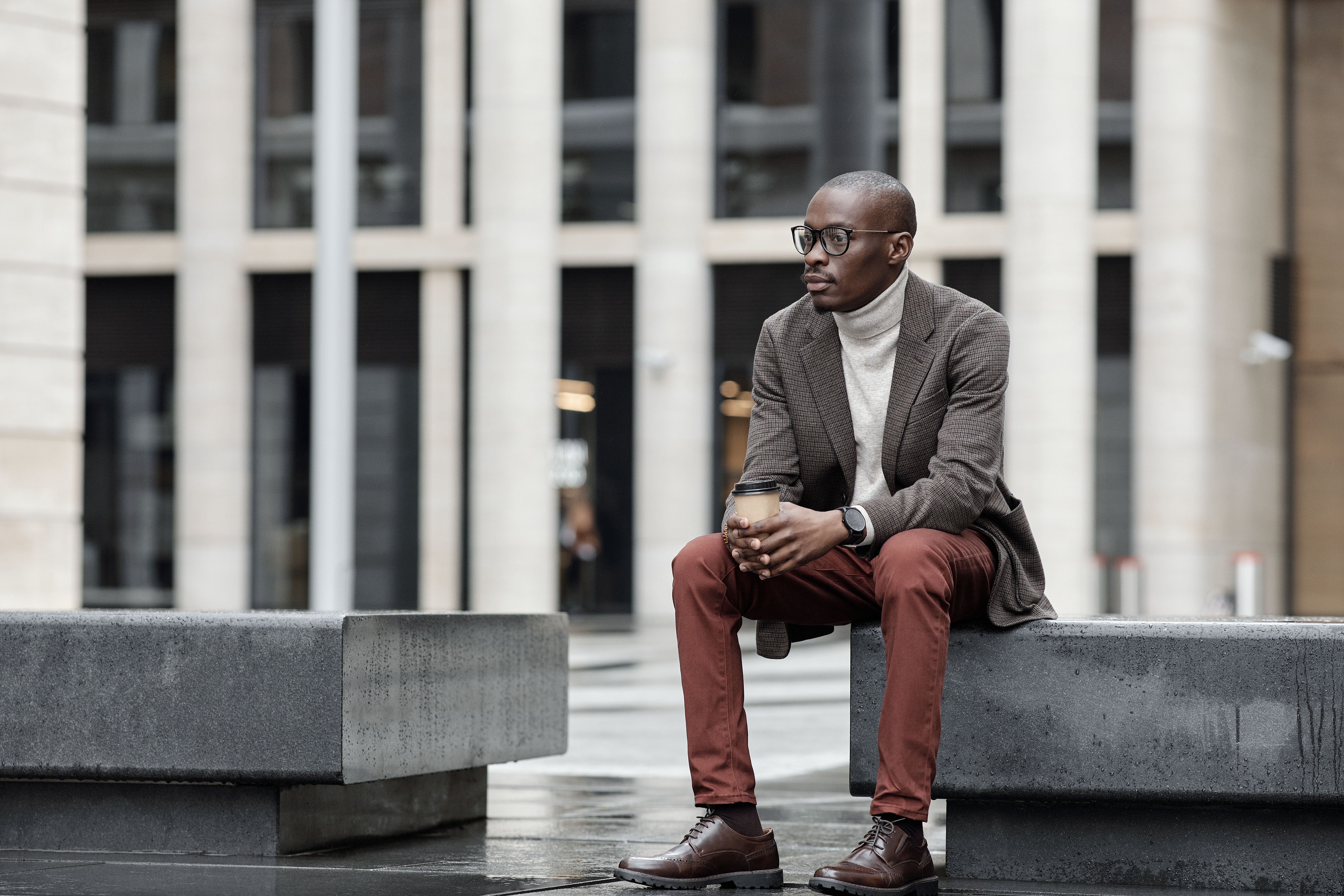
Smart casual is where many wardrobes lose their way. It is not a random combination of a formal item and a very relaxed item. It is a controlled balance: enough structure to look purposeful, enough ease to remain approachable.
A dependable smart-casual formula might include dark, unfrayed jeans or chinos; a tucked or neatly untucked Oxford shirt; a fine-gauge sweater or unstructured blazer; and clean leather shoes or restrained sneakers. For a more feminine wardrobe, the equivalent might be tailored trousers with a silk-like blouse, a simple knit dress with a jacket, or a polished skirt-and-shirt combination. The point is not to follow a gendered uniform. It is to balance softness, structure, and finish in a way that feels like you.
Choose one “anchor” piece and let the rest support it. If the jacket has a strong pattern, keep the shirt and trousers quiet. If the shoes are the statement, avoid competing accessories. Three loud ideas in one outfit do not create personality; they create traffic.
Colour can make the formula feel more personal without making it difficult. Navy, charcoal, cream, olive, brown, and denim give you a stable base. Add one clearer accent through a scarf, shirt, bag, lipstick, knit, or pocket square. The accent should look chosen, not rescued from the back of a drawer.
My practical test is whether the outfit can survive two destinations. If you can go from a café to dinner, or from an office to a relaxed drink, without changing everything, you have probably found the right level of polish. Versatility is not boring; it is evidence that the wardrobe is doing its job.
4. Use accessories as punctuation, not a speech
Accessories are small, but they sit in high-visibility areas: the face, hands, feet, and the objects you place on a table. That makes them powerful and easy to overuse.
Start with condition. Scuffed shoes, a cracked belt, cloudy glasses, and a scratched watch can undermine an otherwise excellent outfit. Clean the shoes, remove loose threads, polish metal, and check that your bag still has a shape. You do not need luxury accessories. You need accessories that look maintained.
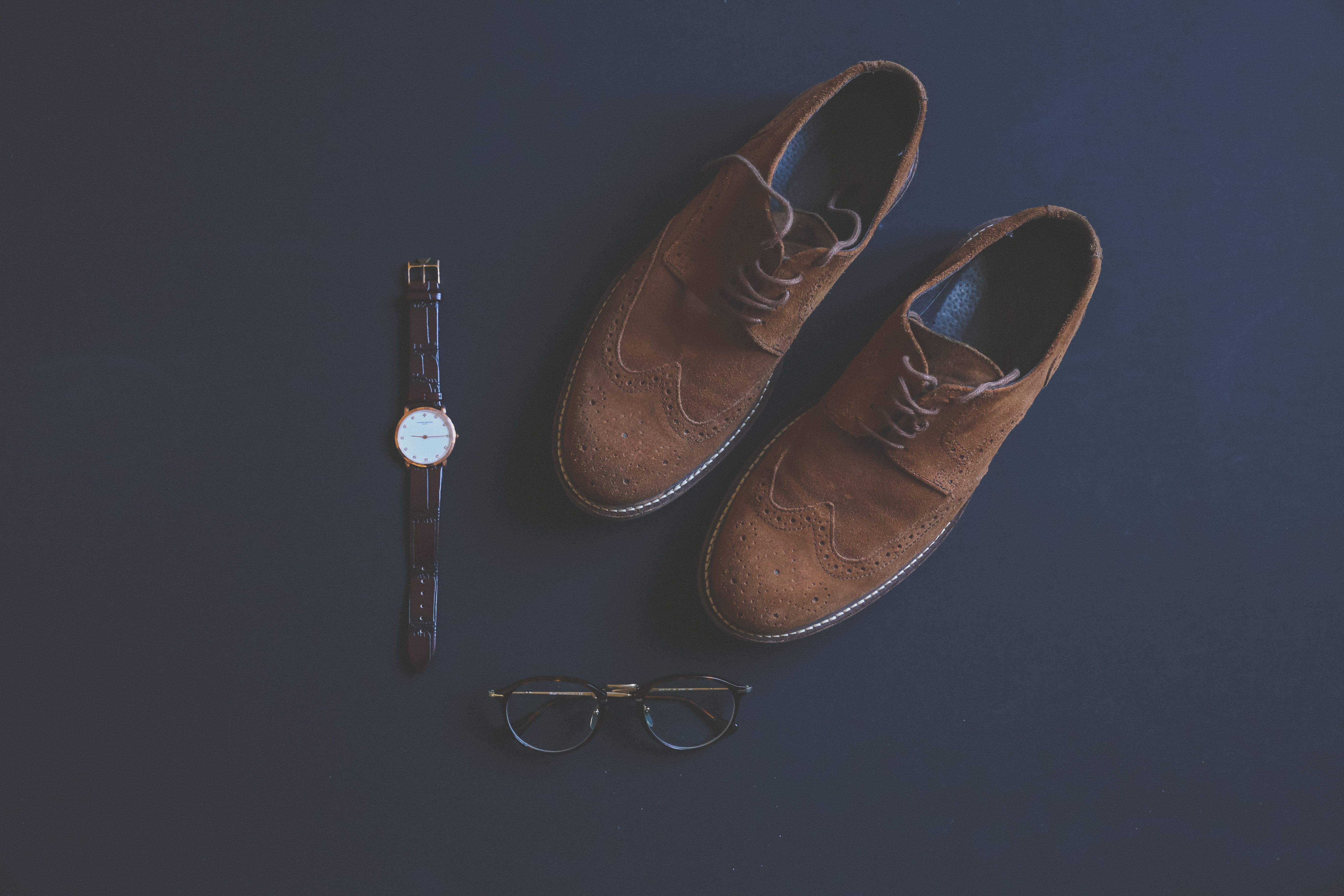
Then repeat one visual idea. A brown leather belt with brown shoes is a classic example, but repetition can also mean matching the cool metal of a watch with the hardware on a bag, or echoing a colour from a scarf in your socks or earrings. You do not need exact matching; you need a sense that the items belong to the same person.
Pay special attention to footwear. Shoes tell people whether the outfit ends deliberately or simply stops. Closed-toe shoes are often the safer choice for professional settings, while sleek sneakers can work in casual environments if they are clean, simple, and appropriate to the rest of the clothing. Flip-flops, running shoes, and visibly worn footwear are difficult to make persuasive outside the settings where they belong.
5. Finish the outfit with grooming and presence
Clothing is only one part of presentation. Hair, nails, skin, fragrance, posture, and facial expression all arrive with the outfit. None requires a dramatic makeover. They require consistency.
Keep grooming aligned with the event. Hair should look intentional, whether that means freshly styled, neatly tied back, or naturally textured. Nails need to be clean. Fragrance should stay close to the skin rather than entering the room before you do. This last point is especially important in restaurants, theatres, offices, and crowded social spaces, where an intense scent can become an imposition.
Posture is the quiet multiplier. Stand with your shoulders relaxed, keep your chin level, and let your arms rest naturally rather than gripping your phone. When speaking, look at the person rather than at your own reflection in a window. A well-dressed person who appears uncomfortable will make the clothes look like a costume; a relaxed person in simple clothing often appears more compelling.
The American Psychological Association has summarized research showing that professional clothing can affect how people perceive competence, reliability, and expertise in conference settings, while also noting that “professional attire” varies by region and context. That caveat matters. The goal is not to perform someone else’s idea of respectability. It is to remove avoidable distractions so your personality and attention can come through.

A quick pre-event check
- Does the outfit fit at the shoulders, waist, rise, and hem?
- Does it match the venue, time, weather, and stated dress code?
- Is one item providing the visual focus?
- Are the shoes, bag, glasses, and jewellery clean and in good condition?
- Can you sit, walk, and greet someone comfortably?
- Does your grooming look intentional rather than hurried?
If the answer is yes to most of these questions, stop adding things. The final improvement is usually subtraction: one accessory removed, one shirt steamed, one loud colour replaced with a calmer one. Dressing to impress works best when the clothes support the encounter instead of becoming the encounter.
How this article was put together
This guide combines established etiquette guidance from Emily Post, tailoring advice reported by GQ, and research on clothing and first impressions published in the Journal of Fashion Marketing and Management. The study details and recommendations were checked during research in October 2026. Fashion remains contextual: workplace norms, local customs, body preferences, accessibility, climate, and personal identity can all change what “polished” means. No single dress code should override comfort, consent, or the need to dress in a way that still feels like you.